


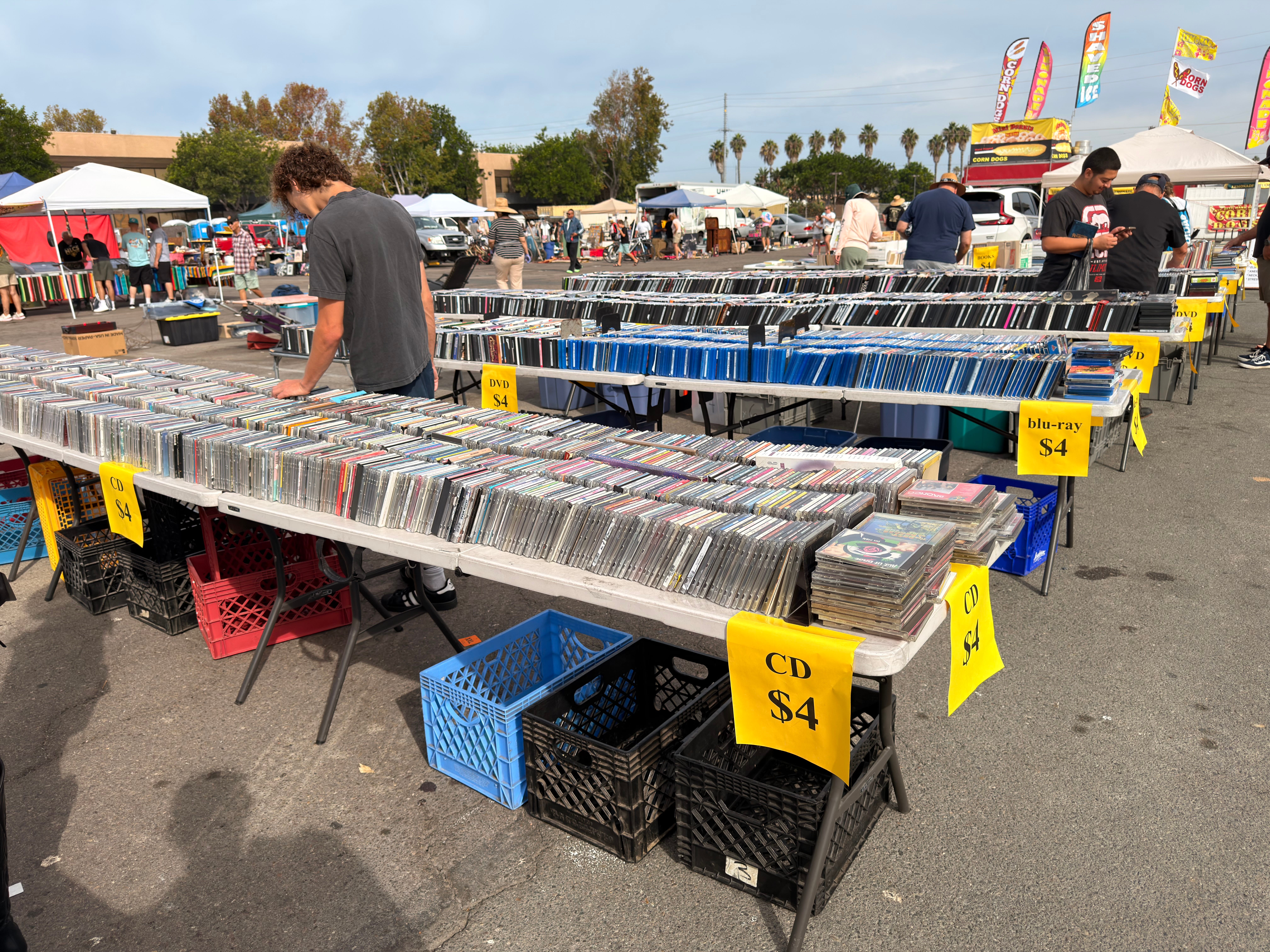
I was walking through a swap meet last weekend, doing what I’ve done for most of my life whenever I have some spare time, digging through boxes of old DVDs, CDs, and cassettes, hoping to find something interesting.
And I couldn’t help noticing something.
When the hell did everything get so expensive?
Seriously. Not that long ago, I could walk into just about any swap meet or thrift store with a $20 bill and come home with a pretty respectable stack of movies and music. CDs were a buck, DVDs were practically being given away, and nobody seemed particularly interested in cassettes unless they were using them to prop up a wobbly table.
Now I’m seeing CDs starting at $4 or $5, common DVDs with $8 price tags, and VHS tapes that are selling over fifty bucks. I’m not exaggerating.
Okay, so my asking when did everything get so expensive is a bit rhetorical. Since I sort of keep my pulse on the market, there’s no doubt that post-covid, things changed.
I’ve been collecting physical media for decades. I never stopped buying it, even when the rest of the world seemed perfectly content to abandon their collections in favor of streaming. And while I’m happy to see renewed interest in something I’ve always enjoyed, I’m starting to wonder whether the market is getting a little carried away with itself.
Correction. I’m less wondering now, and more trying to accept the reality of this market.
Particularly when I see what people are asking for stuff that was collecting dust in a dollar bin just a few years ago.
I think streaming has a lot to do with it.
Remember when streaming was supposed to be the answer to everything? One inexpensive subscription, thousands of movies and television shows, and the convenience of watching whatever you wanted whenever you wanted.
For a while, it was a pretty good deal.
Today, we’re juggling multiple subscriptions, watching prices creep higher, sitting through commercials on services we’re already paying for, and discovering that the movie we wanted to watch has disappeared from the platform that carried it last month.
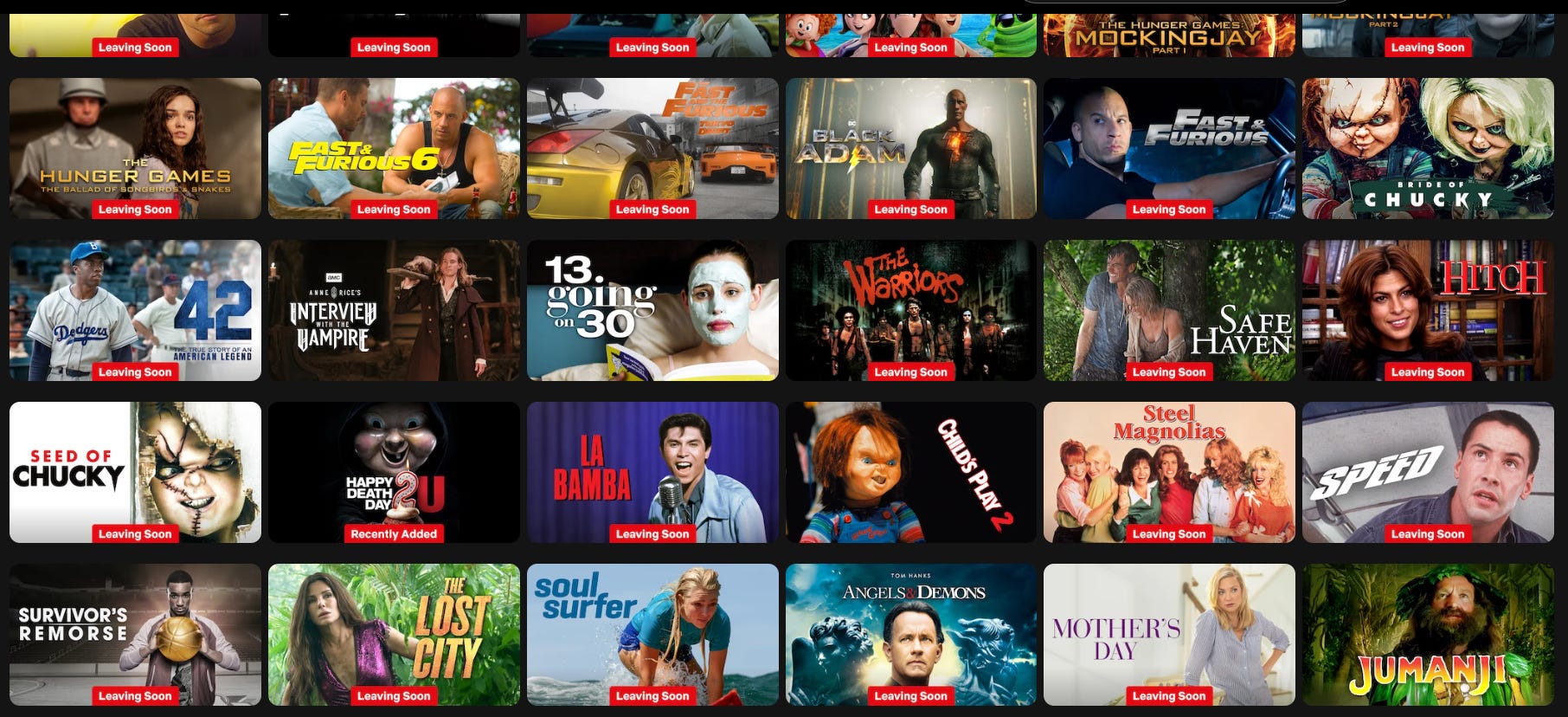
We’ve somehow managed to recreate the cable television experience, only now we’re responsible for assembling the package ourselves. Costing far more!
Eventually, people started remembering why owning a physical copy of something was such a good idea.
If I own a DVD of The Thing, I can watch it whenever I please. I don’t need to figure out who’s currently licensing it or whether my subscription covers it. I just take it off the shelf and put it in the player.
Imagine that. What a concept.
Of course, I’m not suggesting everybody should cancel their streaming subscriptions and start building a wall of DVDs in their living room. I use streaming myself. It’s convenient, and there’s plenty I enjoy about it.
But I think more people are beginning to appreciate the difference between having access to something and actually owning it.
And that renewed appreciation has helped create an interesting situation in the secondhand market.
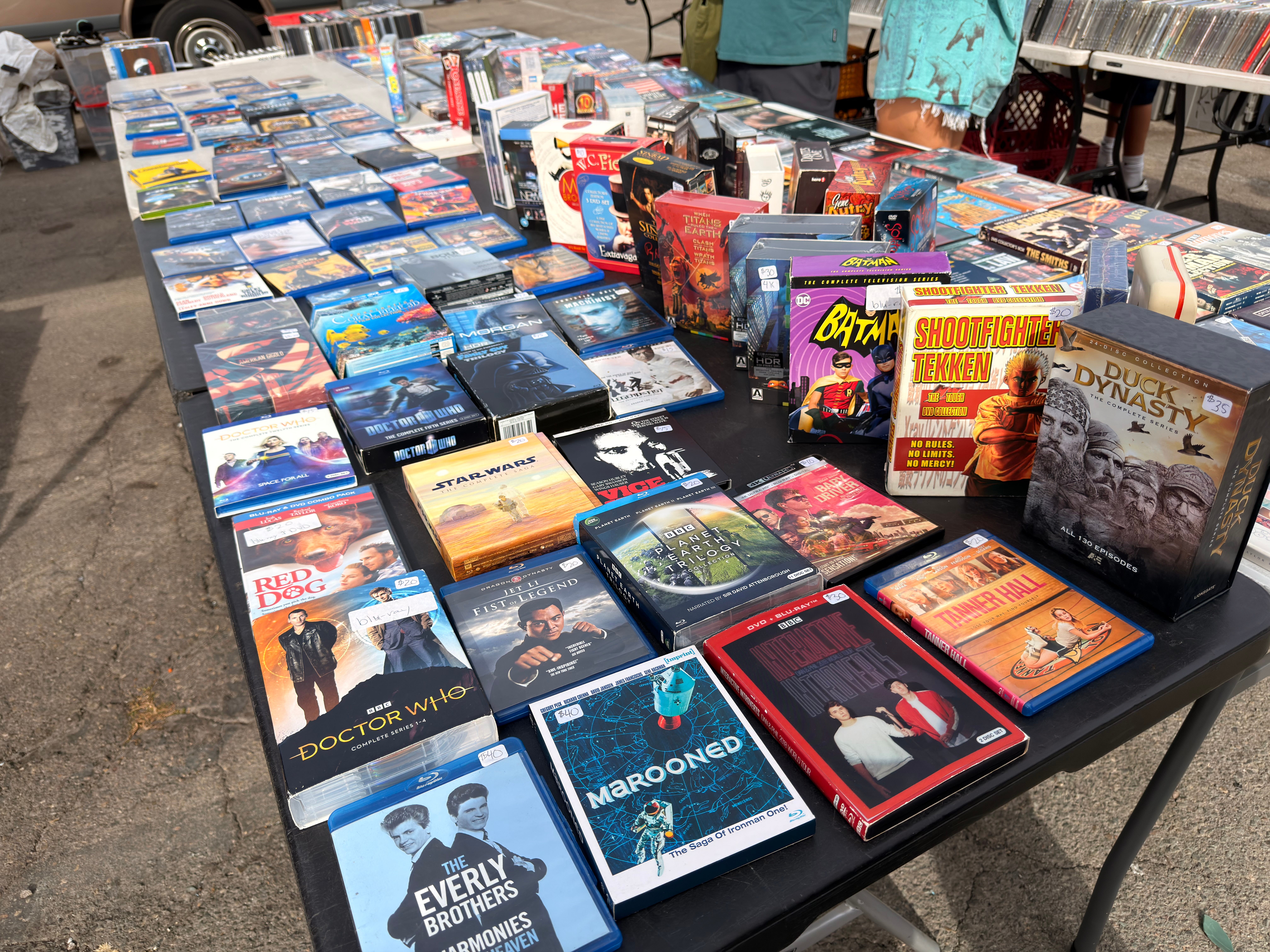
Everybody’s a reseller now. Or at least it sometimes feels that way.
I have nothing against people buying and selling collectibles. I’ve done it myself, and I’ve spent enough years around comic books, trading cards, video games, and other collectibles to understand how these markets operate.
But there’s something amusing about watching a seller discover that physical media is becoming popular again and suddenly decide that every DVD in his inventory is a collector’s item.
A copy of Independence Day that sold millions of units doesn’t become rare because somebody on YouTube made a video about the resurgence of DVDs.
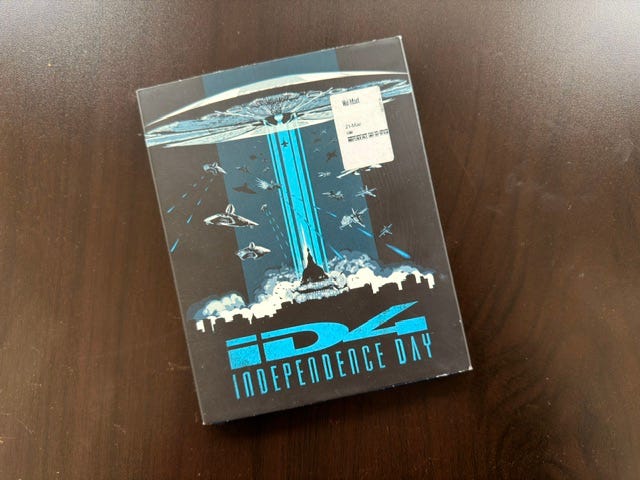
Yet here we are.
Social media has certainly contributed to this. We have entire channels dedicated to thrift store finds, garage sale flipping, and people announcing how much money they supposedly made buying something for $2 and reselling it for $40.
Some of those finds are legitimate. There are obscure movies, out-of-print releases, unusual pressings, and genuinely desirable pieces of physical media worth paying a premium for.
But there’s also an enormous amount of ordinary stuff being treated as though it’s suddenly valuable.
Sellers have caught on.
It used to be that somebody cleaning out their garage might put a box of CDs on the driveway and ask a dollar apiece because they simply wanted them gone.
Now they’ve got a smartphone, an eBay account, and a vague recollection of seeing somebody sell a sealed cassette for $200.
Next thing you know, they’re asking $10 for a scratched copy of Pirates of the Caribbean.
Good luck with that.
The other problem is that asking prices have a way of influencing other asking prices. Someone sees a DVD listed online for $25, assumes that’s what it’s worth, and prices their own copy accordingly. Never mind that the original listing has been sitting there for eight months without a buyer.
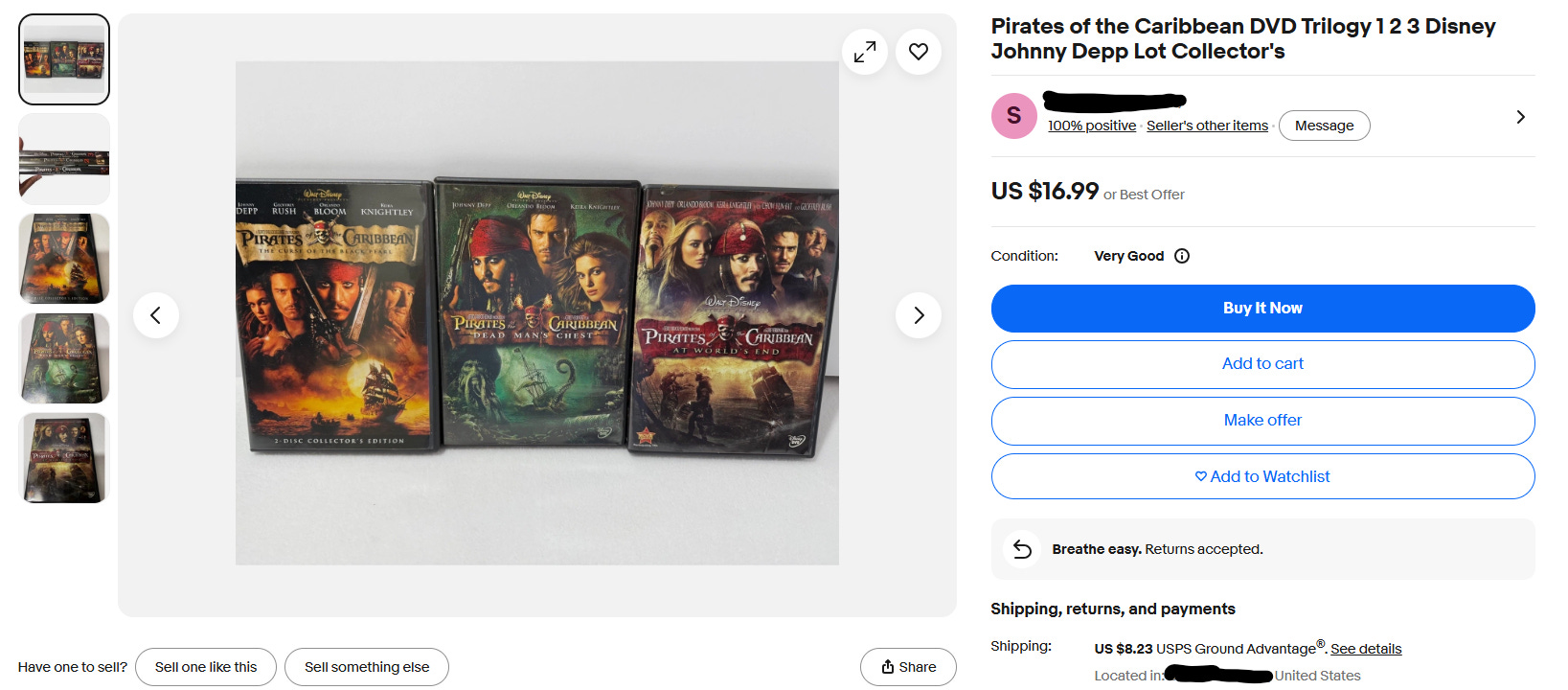
A price tag tells you what somebody wants. It doesn’t tell you what the market is actually willing to pay.
I’ve watched similar behavior play out in other collecting hobbies, particularly comics and retro video games. Once people begin looking at ordinary collectibles as potential investments, the conversations change. Everybody wants to know what something is worth, what might appreciate, and what they should be buying before prices go up.
Sometimes there’s a legitimate market behind that enthusiasm. Other times, it’s a lot of people trying to sell the same stuff to one another at increasingly optimistic prices.
Physical media isn’t immune to any of this.
And I think that’s where my mixed feelings come from.
I genuinely want physical media to make a comeback.
I love seeing people discover the appeal of owning their favorite movies and music. I like that younger collectors are interested in CDs, cassettes, and DVDs. I especially like that people are questioning whether having everything tied to a subscription is necessarily a better arrangement.
There’s something satisfying about browsing through a stack of old movies or albums without knowing exactly what you’ll find.
Some of my favorite purchases over the years haven’t been particularly valuable. They’ve simply been things I wanted to own, revisit, or finally experience for myself.
And that’s a big part of why I’ve always enjoyed collecting.
The hunt matters.
So does the ability to stumble across something unexpected without feeling as though every seller has consulted a collectibles price guide before putting it on the table.
I realize prices aren’t going to stay frozen in 1998. Inflation exists, sellers have expenses, and genuinely desirable titles will always command more money. Increased demand naturally puts pressure on prices, especially for items that aren’t being manufactured anymore.
I’m not expecting everything to cost a dollar forever.
But I do think there’s a distinction between a healthy resurgence in collecting and a market where hype begins to influence the perceived value of practically everything.
And lately, I’m seeing a little too much of the latter.
Maybe some of these prices will hold. Maybe the renewed interest in physical media has real staying power, and we’re simply watching a market adjust to changing consumer habits.
Or maybe a few years from now, some of these resellers will be back at the swap meet trying to unload their inventory for a dollar each.
I wouldn’t rule out either possibility.
As for me, I’ll keep digging through those boxes, picking up the things I actually want, and occasionally shaking my head at the prices.
I still enjoy the hunt. I’m just a little less enthusiastic about paying Best Buy prices for somebody else’s garage sale leftovers.
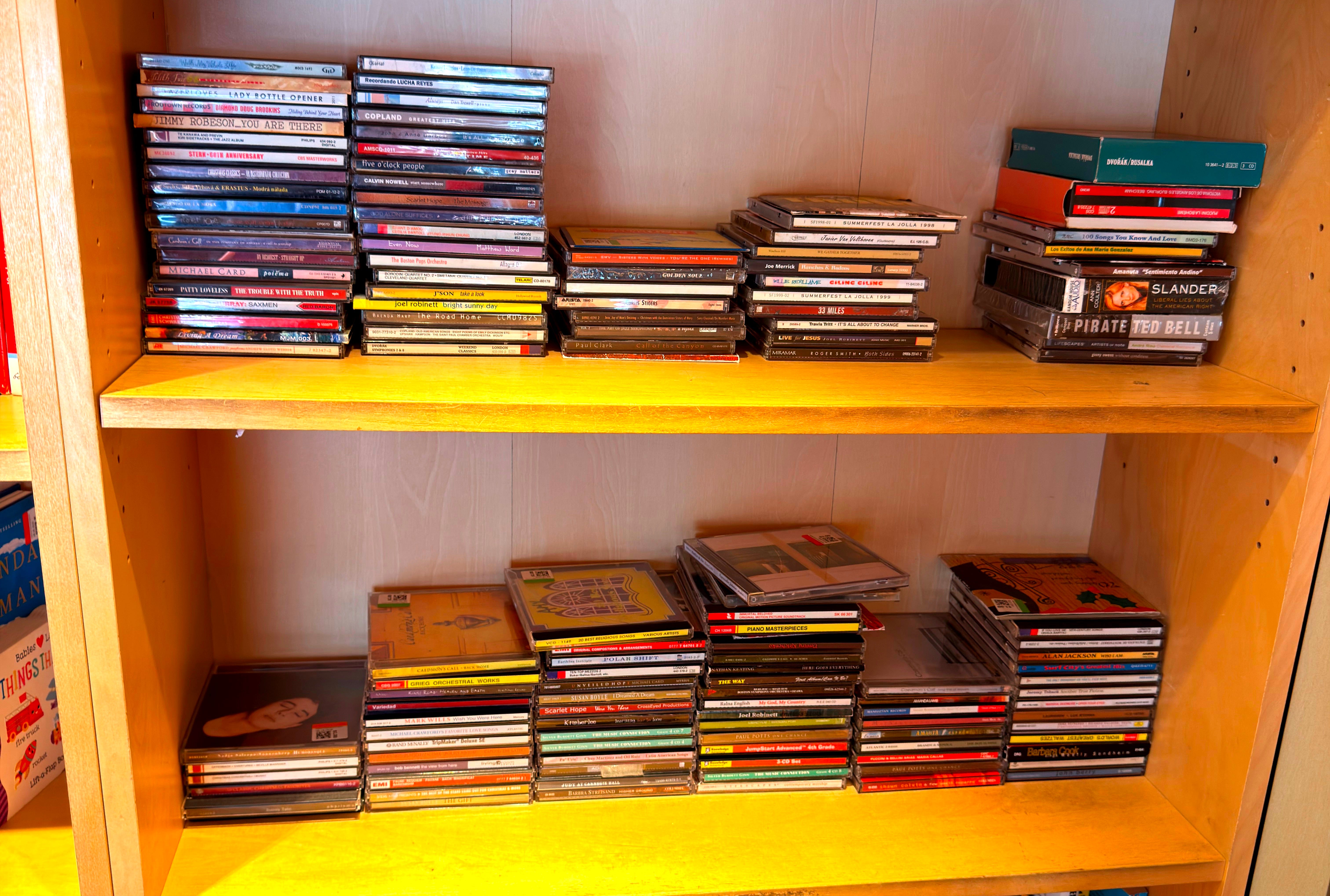
I stopped by a Goodwill a couple of weeks ago, a place where I used to have pretty good luck finding physical media. What I found was a sad reminder of how much thrift store shopping has changed, particularly with resellers treating these places as inventory warehouses.
The shelves were practically stripped bare of CDs and DVDs. A handful of box sets sat behind glass near the front register, individually priced as though I were shopping at Best Buy instead of a store built around donated goods.
And this wasn’t an isolated experience. Over the past year, I’ve walked out of more thrift stores empty handed than I care to remember. The bargains are disappearing, the selection is getting thinner, and even the thrift stores seem to have decided that every donated collectible deserves a premium price tag.
Funny how a store full of other people’s unwanted stuff can suddenly feel so expensive.
What are you seeing at your local swap meets, thrift stores, and garage sales? Are physical media prices getting ridiculous, or is this simply what happens when people rediscover the value of owning what they loved watching or listening to?
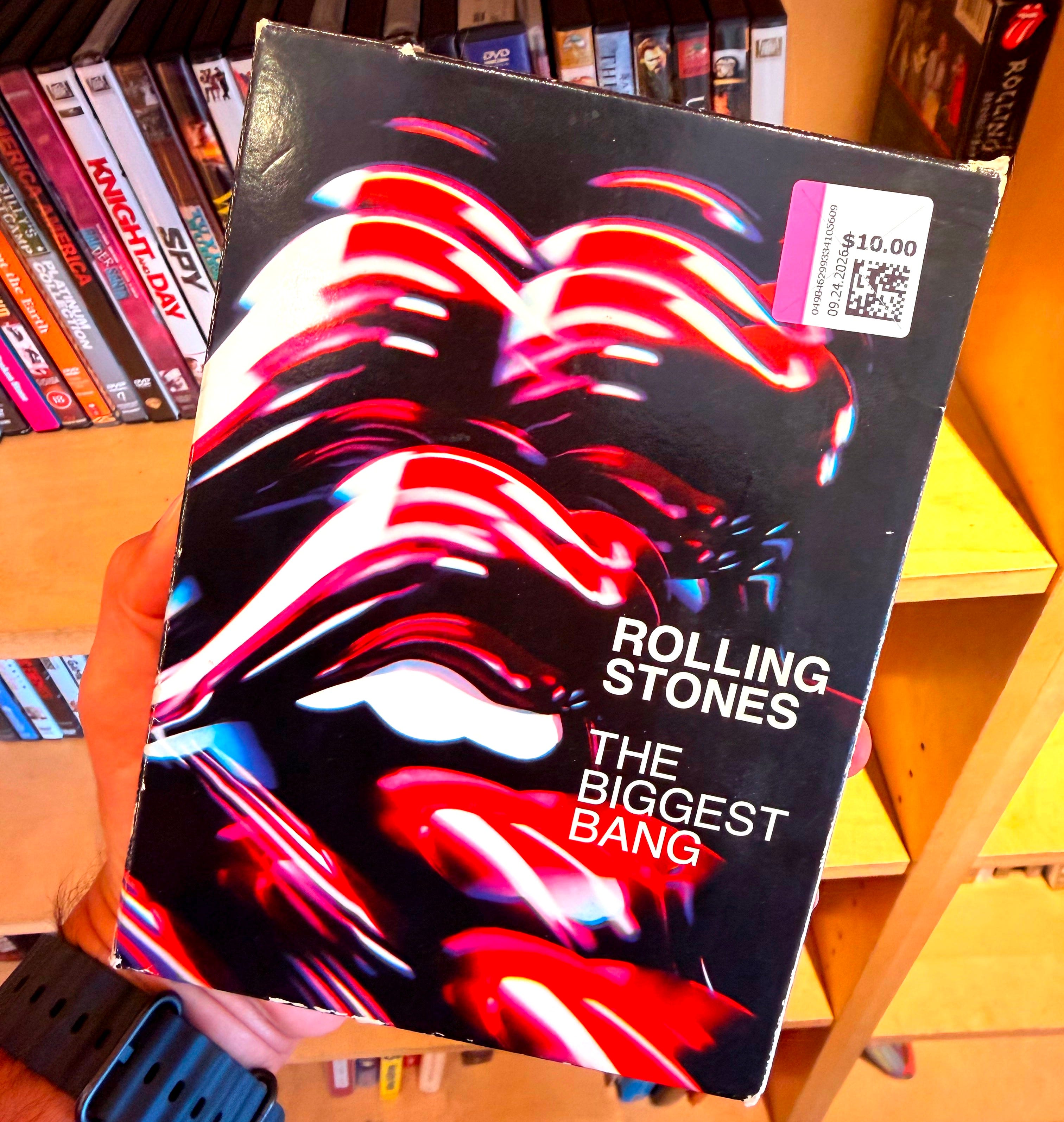
There's a reason I set up a Plex server for my house. Rip from DVD and put it on the Plex server, and I've got the convenience of streaming while loading it with backups of my physical media. I too miss the days of $5 DVD dump bins in the big box stores.
VHS for 50 bucks? Damn, I have shelves of them from back in the day. Where are the suckers?