


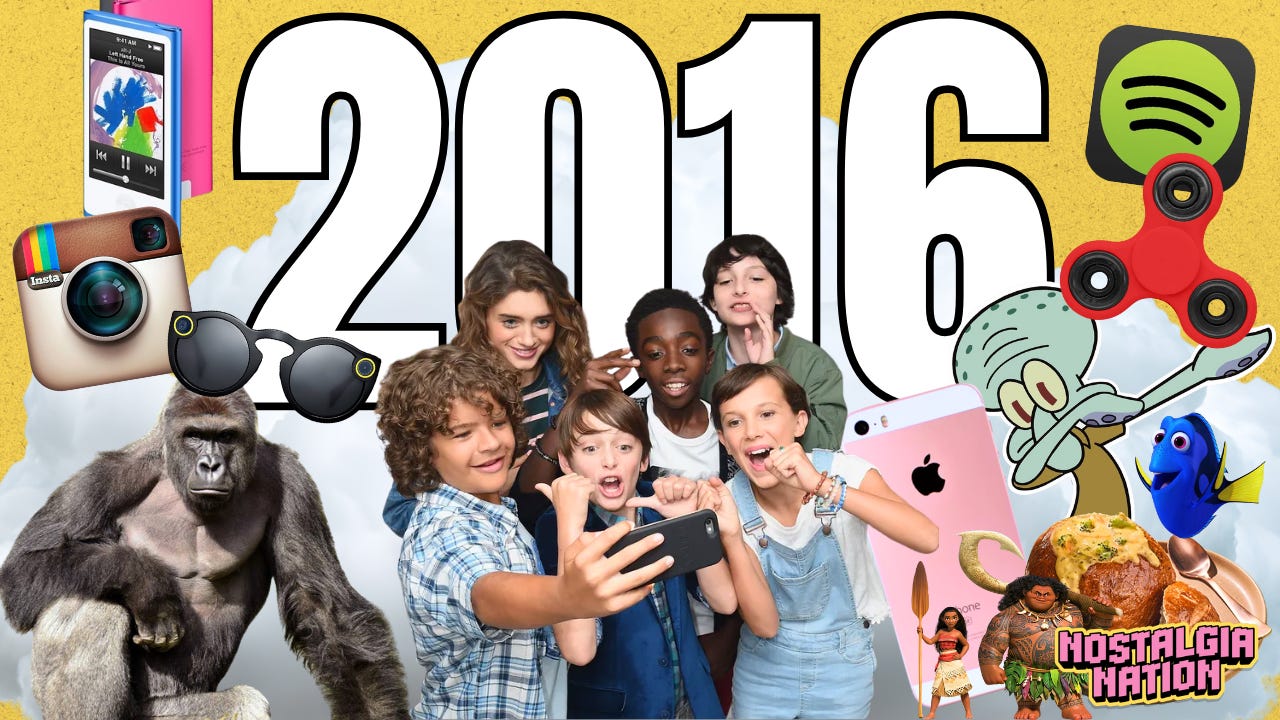
I knew nostalgia had officially gone mainstream when I overheard two college girls sighing about 2016 at the gym. Yes, the era of Snapchat’s first AR (Augmented Reality) filters and Frozen sing-alongs are now considered golden oldies by people too young to rent a car. As a Gen Xer, I nearly did a spit-take with my coffee (yes, I drink coffee at the gym… don’t judge me).
2016…really?
I’m not sure I’d completely accepted it the last few years, but nostalgia isn’t just for us “ever-so-slightly-older” folks anymore. It’s become an all ages pastime, and the world is finally catching up to what we Gen Xers have known all along. Eventually, everyone becomes nostalgic.
Eventually, everyone needs a place to escape to in their mind and reminisce about simpler days.
But, 2016??
The New Nostalgia
Open TikTok these days and you’ll find teenagers romanticizing the early 2010s as if it were some distant, magical era. They’re fixated on hallmarks of that time, including Taylor Swift’s Red album, One Direction mania, indie “twee” fashion, low-fi Tumblr aesthetics. If you were in your twenties back then, Gen Z now envies you (though they’d never admit it). They even have a term for pining after a time you never knew. They call this anemoia (the feeling of nostalgia for a time or place you've never actually experienced).
Here’s the ironic twist… this Gen Z cohort spent recent years mercilessly mocking Millennial “cringe” culture. They made fun of Harry Potter obsessions, pumpkin spice everything, cheesy inspirational wall art. Yet now those same mockers are getting misty eyed about the exact era Millennials came of age in. Oh, how the tables have turned. The early 2010s were far from perfect (I vividly recall the post recession uncertainty… I thought I’d overpaid for a condo… 2020s showed I didn’t!), but to today’s youth that decade glows with a simpler, sunnier light.
Why the sudden longing for 2010–2016? Well, look what came after. The late 2010s and early 2020s haven’t exactly been a relaxing stroll. This generation came of age amid financial meltdowns, political upheavals, a global pandemic, and constant climate anxiety. The internet that used to be a fun escape became a firehose of bad news. And somewhere around 2016, TikTok showed up and finished the job. No wonder they’re nostalgic for any period that feels more hopeful or carefree by comparison. I’m not at all suggesting we didn’t have problems… or that they were building up, I’m just saying it was different, and even though this younger generation is feeling nostalgic sooner… I can’t blame them.
I’ve even heard some Zoomers half joke that they’re jealous of the 2011 college experience – moving to a new city bright eyed, taking silly selfies without filters, going to parties without fear that every awkward dance would be live streamed or meme-ified the next day. In hindsight, maybe the early 2010s really were a brief last era of carefree delusion, the final moment before life went fully online and every moment started being packaged as “content.” I can’t disagree.
Nostalgia Veterans
For us Gen Xers, watching this youth nostalgia boom is surreal and a little satisfying. We’re the original nostalgia veterans - we’ve been reminiscing about the ‘80s and ‘90s since the moment the calendar hit 2000. (I’m pretty sure I’ve been to more than one “80s night” where actual cassette mixtapes got pulled out.) We grew up during far simpler times and that brought us together. If you missed a TV show on Tuesday, you waited months for a rerun. We passed notes on paper in class and saved ticket stubs from concerts. To say nostalgia hits us deeply is an understatement. Our memories feel like treasures, not just endless digital files in a cloud.
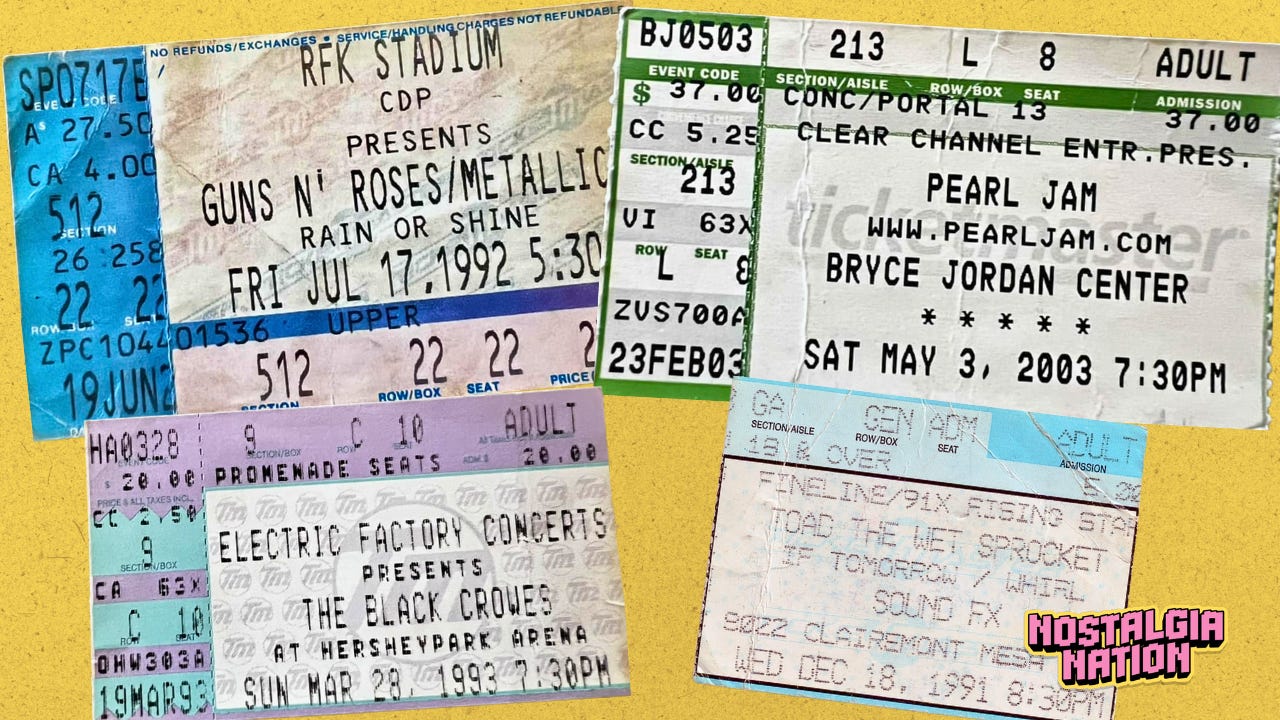
Fast forward to today’s digital natives. Younger Millennials and Gen Z grew up with infinite content on demand. Their childhood photos live online, their favorite shows and songs (music videos) never really disappeared (thanks to streaming and YouTube). You’d think having everything at their fingertips would make them immune to nostalgia. Ironically, it’s done the opposite. The nostalgia cycle has sped up. Trends that used to take 20 years to come back now resurface in ten or fewer. (By the mid-2020s, Gen Z had already revived the early-2000s Y2K look and moved on to reviving 2014 Tumblr vibes.) When culture moves that quickly, even last decade’s fads can start to feel quaint.
Honestly, I find it amusing, and oddly validating, to see a 20-year-old get sentimental about the “old days” of DVDs or life before TikTok. Eventually everybody learns what we did.
The present can be exhausting, and even a flawed past can shine in hindsight.
And interestingly, a lot of young people are now gravitating toward the tactile experiences we grew up with, as if searching for some missing authenticity in their high-tech lives. The same teens who never knew life without Wi‑Fi are buying vinyl records and Polaroid cameras for the novelty of something real and physical. Some are even trying out flip phones to escape the relentless stream of notifications. When I saw my own teenager marvel at how a Polaroid snapshot develops in his hand, I recognize that spark in his eyes – it’s the same one I had waiting for my 35mm photos to get developed at the drugstore!
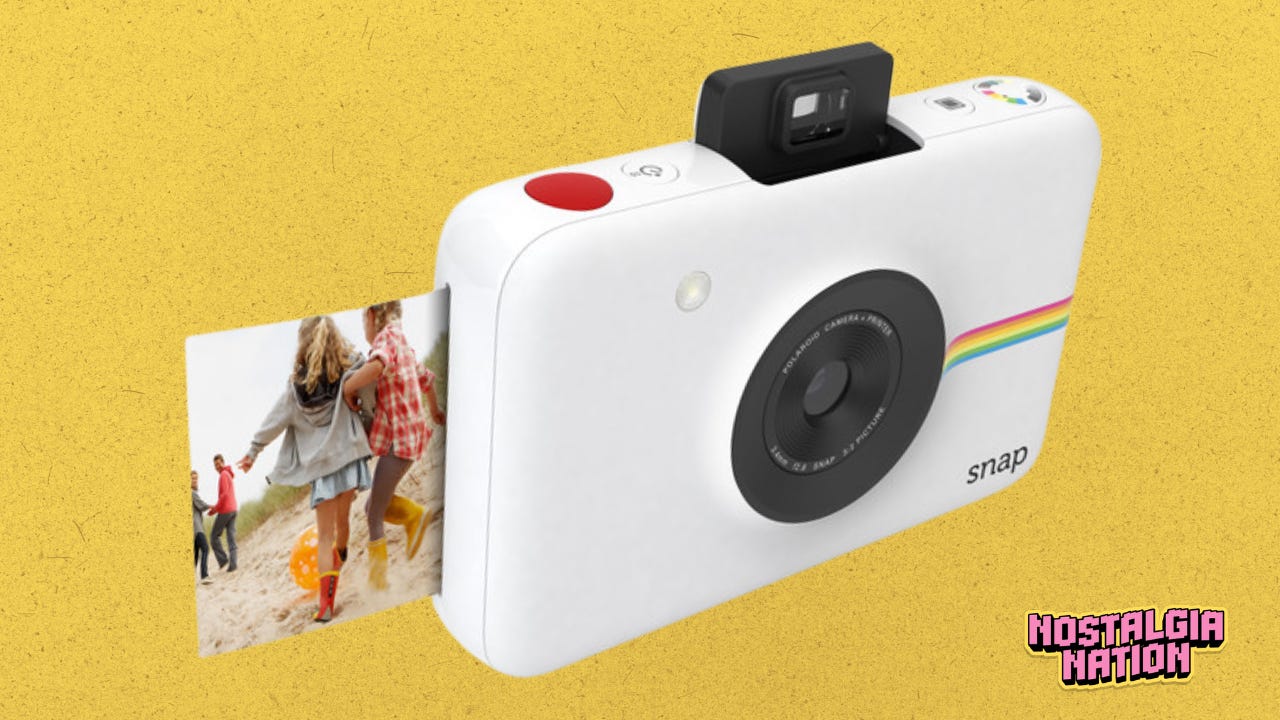
Sure, it was inconvenient back in the day. But the effort often made an experience feel special. Saving up to buy a new album, or waiting all week for your favorite show, gave those moments extra weight. Now, with entertainment available in an instant, some of that magic of anticipation is lost. Maybe that’s why Gen Z is so intrigued by how we used to live “slower.” Waiting for something — a photo to finish printing, a new album to drop on Tuesday — gave us a thrill that you just don’t get from an immediate download.
In a world where everything is always on, a little delay can feel oddly delightful.
The Bridge Between Generations
At its core, nostalgia is comfort food for the soul, and it’s ageless. We Gen Xers have long leaned on it to cope with life’s stresses (hey, middle age is no picnic). Now younger folks are discovering the same escape hatch when the present gets to be too much. Different eras, similar coping mechanisms.
What’s truly heartwarming is how nostalgia is turning into common ground between generations. Recently I bonded with a Gen Zer at the gym, who I noticed was wearing a Bon Jovi tee (not vintage) — He was thrilled to mention how he got into listening to ‘80s music recently on Spotify, so I told him about recording Bon Jovi songs off the radio onto a cassette. We laughed at the differences in our experiences, but the underlying joy was the same. In that moment, the age gap melted away; we were just two people geeking out over music that meant the world to us.
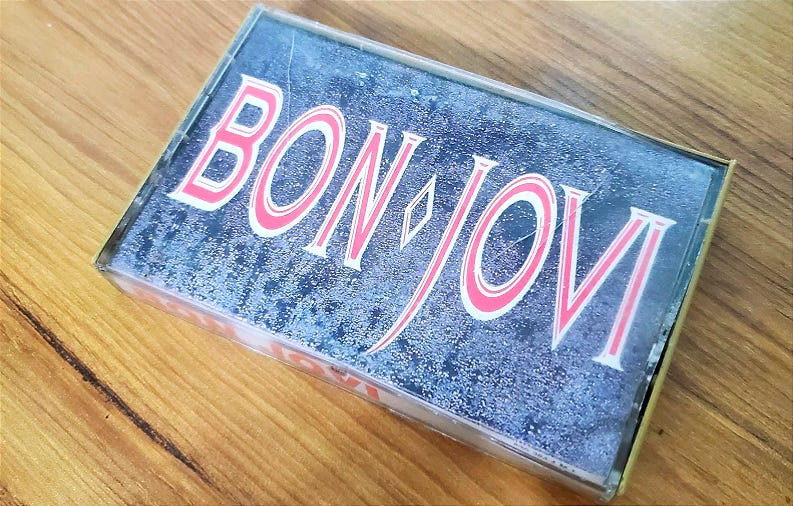
In a world moving at warp speed, nostalgia lets everyone hit the pause button. I can’t stress to you how important that is. It reminds us that no matter how different our eras and technologies, some feelings are universal.
Every generation had its “good old days,” and by sharing those stories we realize we’re not so different after all. Maybe that’s the silver lining of this whole nostalgia boom. It’s giving us shared points of reference. We’re all time travelers, in our own ways — finding a bit of unity in that collective yearning for the way it was.
Until next time, Time Travelers… keep the tape rolling...and Stay Rad!

Posts you may have missed:

Looking ahead: Issue 2 arrives soon, with an expanded patron-only section for those who choose to support the magazine and gain full access.


Having taught college for many years I was always amazed at how recent students' nostalgia went back. 2016 seems like yesterday to me but to them it represented a year of their childhood! They'd talk about movies and televisions shows that I'd never heard of but were very passionate about!